

By using magnesium oxide properly, cattle and sheep will grow fat. BY:Lydia
By using magnesium oxide properly, cattle and sheep will grow fat.
Magnesium is one of the essential macronutrient minerals necessary for animal growth and development, as well as maintaining normal physiological functions. It not only maintains the integrity of animal bones and teeth, but also plays an important role in neuromuscular impulse transmission, enzyme activity, and energy, protein, and fat metabolism in the body.
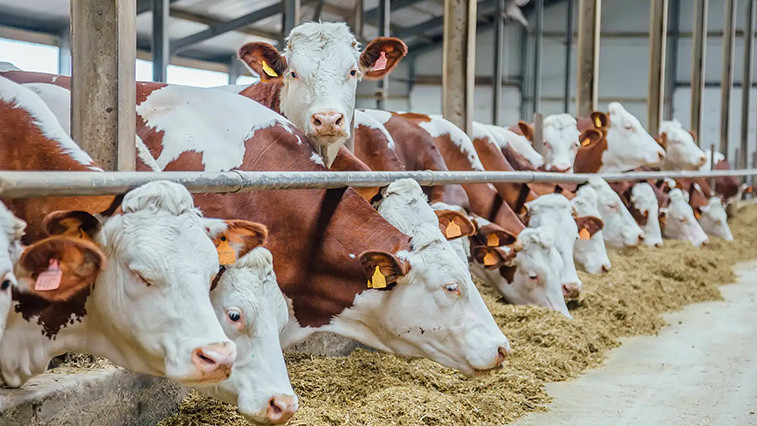
For ruminants, the magnesium in their bodies primarily relies on dietary sources to maintain the appropriate concentration of magnesium in the blood and extracellular fluid. It is mainly converted into an absorbable form by rumen bacteria in the body. Most of the magnesium is absorbed through the active transport system of the rumen epithelial cells, while a small amount is absorbed through passive or extracellular transport mechanisms. The main absorption sites for magnesium in adult cattle are mainly in the rumen and reticulum, while for calves, the main absorption site for magnesium is the small intestine.
The absorption of magnesium in the rumen of ruminants is 10-30g/d, the magnesium in saliva circulation is 0.5g/d, approximately 2.5g/d of magnesium is excreted through urine, and 70-90% of magnesium is excreted through feces. What are the factors affecting magnesium absorption?
1. Different sources of magnesium result in varying absorption rates in animals. Studies have shown that the absorption and utilization rate of magnesium in forage is 10-20%, while in cere
als it is 25-35%. For inorganic sources of magnesium ions, such as magnesium oxide, the absorption rate can generally reach 28-49%.
2. The physiological state of animals also affects magnesium absorption, and the physicochemical reactions occurring in the rumen can promote or inhibit magnesium absorption; high pH in the rumen reduces magnesium absorption; rumen fermentation products such as citric acid, lactic acid, and oxalic acid can form complexes with magnesium and calcium, which can also affect the absorption of magnesium and calcium.
3. Dietary factors also affect magnesium absorption, primarily including potassium levels, rumen degradable protein levels, low energy or dry matter intake, high fatty acid intake, and additive citric acid levels.
4. Excessive drinking in ruminants can affect magnesium absorption. Firstly, it leads to an increased excretion of magnesium in urine. Secondly, drinking a large amount of water reduces the intake of dry matter, thereby decreasing magnesium intake.
Magnesium sulfate can not only increase crop yields but also improve the taste of crop fruits. Magnesium can also promote the formation of vitamin A and vitamin C in crops, thereby enhancing the quality of fruits, vegetables, and other crops. Sulfur is also essential for the synthesis of amino acids, proteins, cellulose, and enzymes in crops.
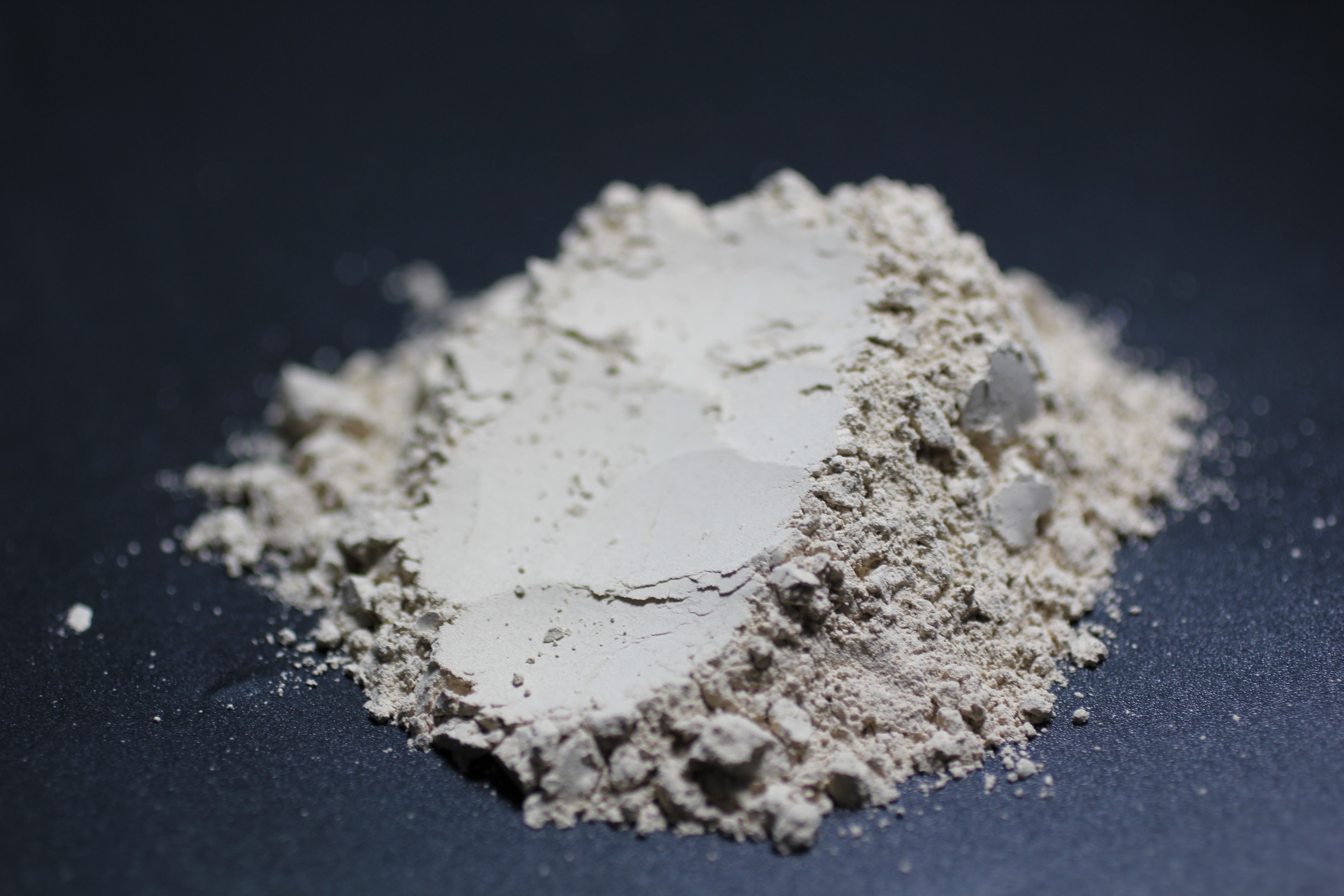
Magnesium oxide, a feed additive, serves as a high-quality source of magnesium. Based on the digestion and absorption characteristics of ruminants, magnesium oxide is typically chosen as the magnesium source in their diets. It not only supplies magnesium but also functions as a rumen alkalizer, effectively improving hypomagnesemia in ruminants and alleviating rumen gas. This can lead to robust and healthy ruminants such as cows and sheep, as well as improved milk quality.