

Feed Grade Magnesium Oxide: A Key Role and Quality Selection in Ruminant Nutrition BY:Lina
Feed Grade Magnesium Oxide: A Key Role and Quality Selection in Ruminant Nutrition
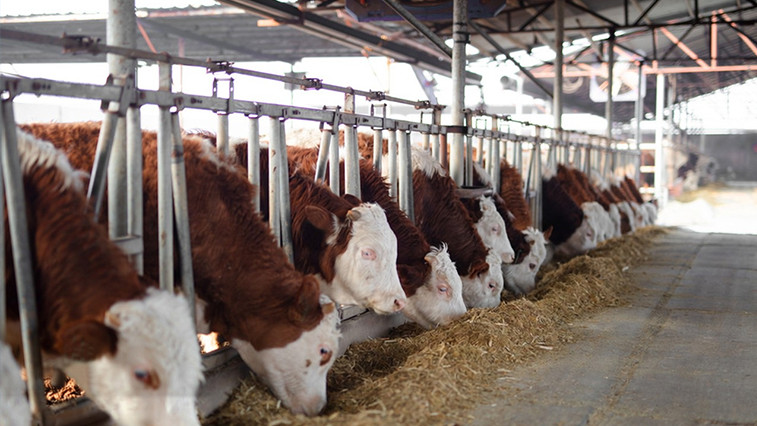
Ruminants
The primary application of feed-grade magnesium oxide is in ruminant farming, including dairy cows, beef cattle, sheep, and goats. Because ruminant diets often contain large amounts of concentrates and silage, they are prone to excessive rumen acidity. Appropriate magnesium oxide supplementation can effectively regulate rumen pH and maintain a healthy fermentation environment.
Rumen Buffering
Rumen buffering is one of the core functions of magnesium oxide. It has moderate acid resistance, slowly neutralizing excess lactic acid and volatile fatty acids in the rumen, preventing subacute rumen acidosis (SARA). When used in combination with sodium bicarbonate, magnesium oxide provides a more sustained slow-release buffering effect, helping to maintain rumen microbial activity and improve fiber digestibility.
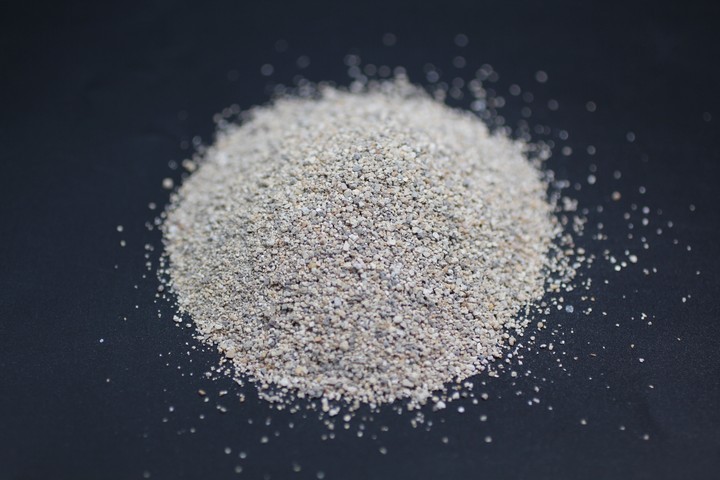
Milk Fat Percentage
For dairy farming, milk fat percentage directly affects dairy product quality and economic benefits. Studies have shown that adding sufficient feed-grade magnesium oxide to the diet can promote the production of acetic acid in the rumen—acetic acid is a major precursor in milk fat synthesis. In dairy herds that receive adequate magnesium oxide supplementation, milk fat percentage can typically increase by 0.1–0.3 percentage points, significantly increasing the processing value of milk and farming profits.
Magnesium Deficiency
In spring, pastures are lush with green grass, but often have low magnesium and high potassium content, easily leading to magnesium deficiency, also known as pasture tetany (grass spasm). This disease is prevalent in grazing lactating cows, manifesting as excitability, muscle tremors, and in severe cases, death. Supplementing with high-purity feed-grade magnesium oxide through licks, total mixed rations (TMR), or mineral premixes is the most direct and economical means of preventing magnesium deficiency.
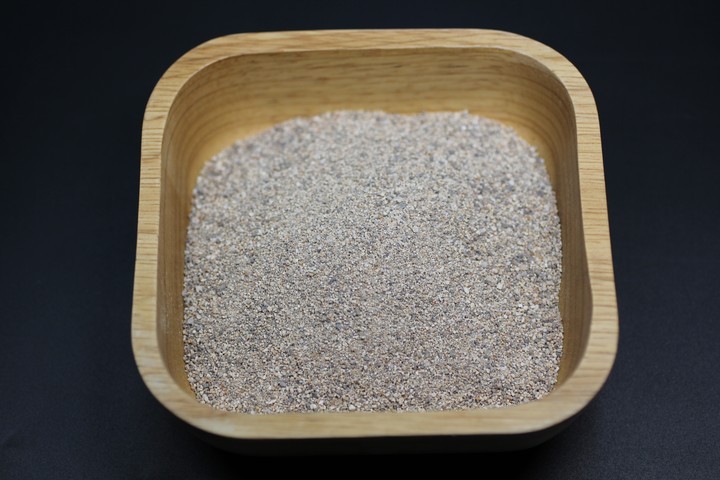
Flowability
Feed mills and farms require powdered raw materials to have good flowability during production, transportation, and automated feeding. High-quality feed-grade magnesium oxide, after particle size control and anti-caking treatment, is less prone to moisture absorption and agglomeration, allowing for uniform distribution in premixes, TMR, and licks. Good flowability also improves feed formulation accuracy and production efficiency, reducing the risk of equipment blockage.
Heavy Metal Control
With increasingly stringent feed safety standards, heavy metal control has become a key indicator for evaluating the quality of feed-grade magnesium oxide. Compliant products must strictly limit the content of harmful elements such as lead, arsenic, cadmium, and mercury, complying with GB 7300-2019 (China's standard for feed additives) or relevant EU and FDA regulations. Choosing suppliers with third-party testing reports and using seawater or high-grade magnesite refining processes can ensure animal and food safety from the source.
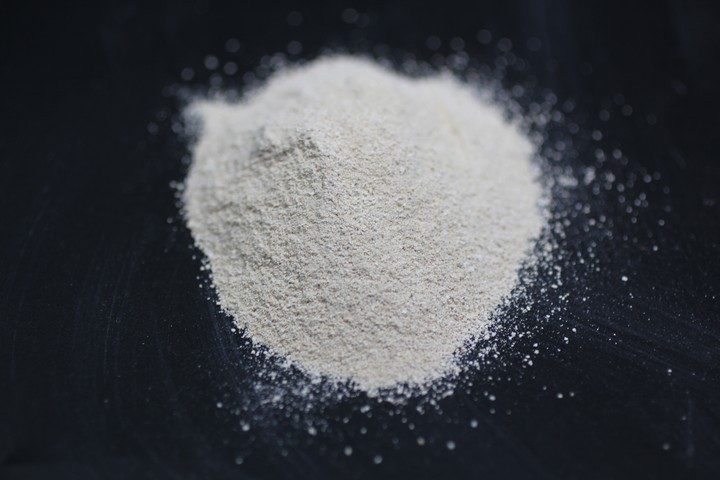
From rumen buffering to increasing milk fat percentage, from preventing magnesium deficiency to ensuring smooth production, feed-grade magnesium oxide is an indispensable functional mineral in ruminant diets. When selecting magnesium oxide for ranches or feed formulations, please pay close attention to: feed-grade certification + purity ≥ 95% + heavy metal compliance + good flowability.
MgSO4 Group Limited has a deep understanding of the diverse needs of its customers. Our magnesium sulfate fertilizer products include high-quality epsom salt magnesium sulfate heptahydrate. Our products are manufactured under a rigorous quality control system, ensuring that each batch meets high standards of purity, solubility, and safety, helping customers maximize their production potential and economic benefits.