

Magnesium Sulfate Storage and Shelf Life Best Practices
Why Proper Magnesium Sulfate Storage Is Critical for Product Quality
Magnesium sulfate storage conditions directly determine the physical and chemical integrity of the product from the moment it leaves the manufacturing facility until it reaches the end user's application equipment. As a hygroscopic substance, magnesium sulfate heptahydrate is susceptible to moisture absorption from the surrounding air, which can cause caking, clumping, and in extreme cases, partial dissolution and re-crystallization that alters the product's particle size distribution and solubility characteristics. Distributors and warehouse operators who invest in proper magnesium sulfate storage infrastructure protect their inventory investment, maintain product quality specifications, and deliver a superior user experience to their agricultural and industrial customers.
Understanding Magnesium Sulfate's Chemical Stability and Shelf Life
Magnesium sulfate is chemically stable under normal ambient conditions, but its physical properties can change over time when exposed to varying temperature and humidity levels. The heptahydrate form, MgSO₄·7H₂O, contains seven water molecules of crystallization that give it a theoretical magnesium content of approximately 9.8% by weight. Under ideal storage conditions, magnesium sulfate maintains its chemical composition indefinitely, with no significant degradation or loss of active ingredient potency over multi-year storage periods. The actual shelf life of magnesium sulfate is therefore limited primarily by physical factors such as moisture absorption, particle agglomeration, and contamination rather than by chemical decomposition.

Optimal Temperature and Humidity Conditions for Magnesium Sulfate Storage
The ideal storage environment for magnesium sulfate maintains temperatures between 10°C and 35°C and relative humidity levels below 60%. Under these conditions, the product remains free-flowing and retains its original particle size distribution without any measurable changes in chemical composition. When relative humidity exceeds 60%, magnesium sulfate begins to absorb moisture from the air, leading to surface dampness and the gradual formation of lumps that can range from soft aggregates to hard, cemented masses depending on the duration and severity of the exposure. High-temperature storage accelerates moisture absorption kinetics and should be avoided, particularly in tropical and subtropical climate zones where ambient humidity levels frequently exceed recommended thresholds during summer months.
Packaging Solutions That Protect Magnesium Sulfate from Environmental Exposure
Modern packaging technology offers several effective options for protecting magnesium sulfate from moisture damage during storage and distribution. Multi-wall paper bags with polyethylene liners provide an economical solution for 25kg and 50kg retail packaging, offering adequate barrier properties for moderate humidity environments. Polywoven bags with inner polyethylene coatings deliver superior moisture protection for bulk packaging applications and extended storage periods. For marine export shipments and long-term inventory storage, 1,000kg flexible bulk bags (FIBC containers) with polylined interiors provide the highest level of environmental protection available. Regardless of the packaging format chosen, all magnesium sulfate containers should be stored on elevated pallets that keep the product off warehouse floors and allow air circulation beneath the stacked units.

Best Practices for Warehouse Storage of Magnesium Sulfate
Implementing a comprehensive magnesium sulfate storage program requires attention to several key warehouse management practices that collectively minimize product degradation risks. First-in, first-out inventory rotation ensures that older stock is consumed before newer deliveries, preventing the accumulation of aged inventory that may have experienced marginal quality changes. Regular warehouse inspections should include moisture monitoring of stored magnesium sulfate using calibrated hygrometers positioned at multiple locations throughout the storage area. Any bags showing signs of moisture penetration, bulging, or caking should be isolated and evaluated for fitness for use before being returned to the general inventory pool. Maintaining warehouse roof and wall integrity to prevent rainwater leakage and implementing mechanical ventilation in climate zones with high ambient humidity are foundational investments that protect magnesium sulfate inventory quality over time.
Handling and Transport Guidelines for Magnesium Sulfate
Proper handling procedures during loading, unloading, and internal transport operations are essential for preserving magnesium sulfate product integrity. Mechanical handling equipment should be adjusted to minimize product vibration and physical impact that can contribute to fine particle generation and subsequent dust formation. Forklift tines and pallet handling surfaces must be clean and dry to prevent cross-contamination with other fertilizer materials that might trigger adverse chemical reactions. Open-top trailers and shipping containers should be thoroughly inspected and cleaned before loading magnesium sulfate, and tarpaulins or container doors should be secured immediately upon completion of loading to minimize exposure to rain, dew, or ambient moisture. These magnesium sulfate storage protocols apply equally to domestic distribution and international export shipments.
Quality Control Testing for Stored Magnesium Sulfate
Distributors managing significant magnesium sulfate inventory should establish a quality control testing program that verifies product specification compliance at regular intervals. Key quality parameters to monitor include moisture content (target: below 0.5% for powdered forms), particle size distribution, assay purity (minimum 99% for analytical grade), and bulk density. Moisture content can be rapidly assessed using Karl Fischer titration or loss-on-drying methods, while particle size analysis is performed using standard sieve testing procedures. Annual testing of retained samples stored under typical warehouse conditions provides valuable data on long-term product stability and can inform decisions about maximum allowable storage duration before quality specification concerns arise.
Premium Quality Magnesium Sulfate Heptahydrate for Distribution

We supply consistent-quality Magnesium Sulphate Heptahydrate in multiple granulation options suitable for all distribution formats. Explore Product Options ›
Signs of Magnesium Sulfate Degradation and Corrective Actions
Recognizing the early signs of magnesium sulfate degradation enables timely corrective actions that can salvage affected inventory before total quality loss occurs. Surface caking and light lump formation indicate early-stage moisture absorption that can often be remediated by spreading affected product in thin layers in a climate-controlled space until moisture levels equalize and the product returns to a free-flowing condition. Severe caking that produces hard, cement-like masses typically indicates prolonged moisture exposure and may require grinding or reprocessing to restore usability, though the market value of reprocessed material is considerably reduced compared to the original product specification.
Conclusion: Storage Excellence as a Competitive Advantage
Mastering magnesium sulfate storage and shelf life management delivers tangible competitive advantages for distributors operating in today's quality-conscious agricultural marketplace. By implementing the storage conditions, packaging solutions, and handling protocols outlined in this article, distributors can minimize product losses, reduce customer complaints related to caking or contamination, and position their businesses as trusted suppliers of premium mineral fertilizer products. The relatively modest investment required to establish proper magnesium sulfate storage infrastructure generates returns through reduced waste, improved customer retention, and the ability to command stable pricing for consistently high-quality product offerings.

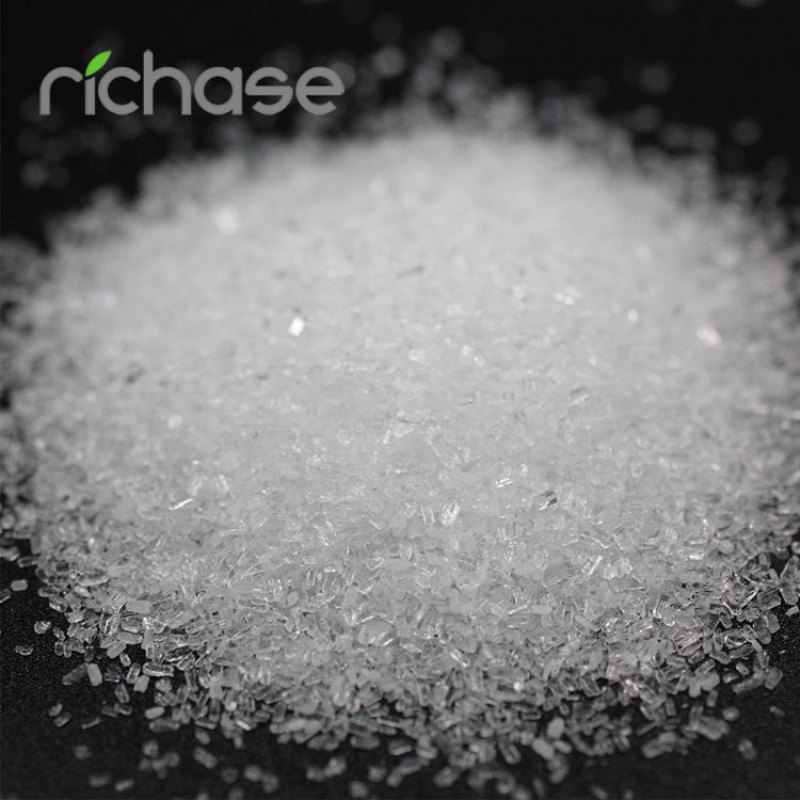
Featured Product: Agricultural Magnesium Sulfate Heptahydrate 99% crystal powder for crops