

Tensions in Iran Disrupt Maritime Shipping Routes, Azerbaijan Poised to Become Magnesium Sulfate Transit Hub BY:Ludwig
Tensions in Iran Disrupt Maritime Shipping Routes, Azerbaijan Poised to Become Magnesium Sulfate Transit Hub
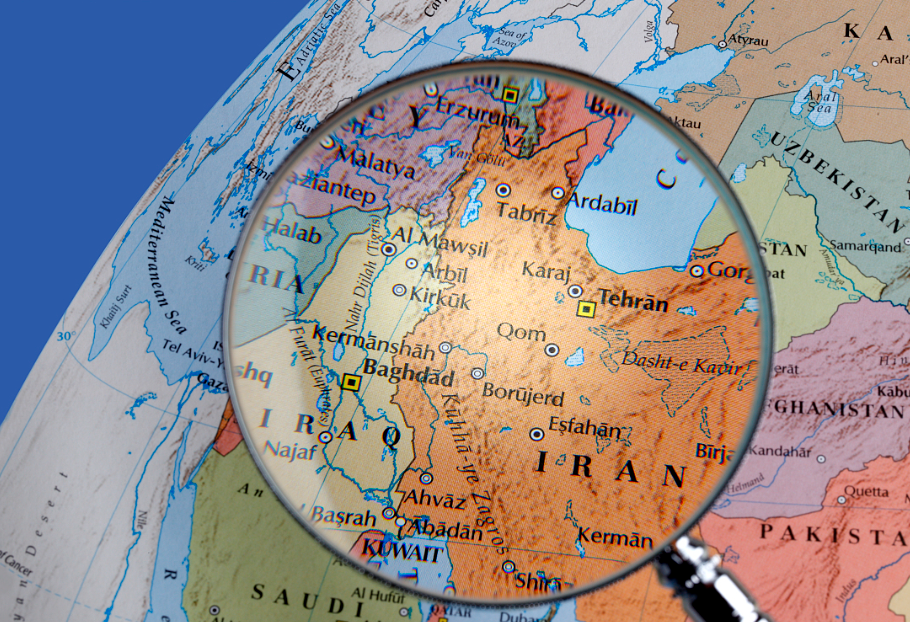
🌱Escalating geopolitical tensions around Iran’s coastal waters and Persian Gulf shipping lanes have triggered frequent route detours and temporary suspension of bulk cargo vessel calls, severely disrupting traditional sea transportation channels for magnesium sulfate bound for Middle East, Central Asia and Caucasus markets. Affected global fertilizer importers and international freight forwarders are actively rerouting shipments, making Azerbaijan a prospective core transit transfer station for cross-border magnesium sulfate logistics.
Ports along Iran’s Persian Gulf and Caspian coastline were long-standing pivotal maritime transfer nodes for magnesium sulfate trade heading to Central Asia and South Caucasus. Previously, large volumes of granular and powdery agricultural magnesium sulfate shipped from major producing countries arrived at Iranian southern seaports via the Persian Gulf, then moved northward through Iran’s inland railway and highway networks before crossing border into Caucasus nations including Azerbaijan, Georgia and Armenia. Persistent uncertainties over regional maritime security have forced numerous bulk carriers to avoid Persian Gulf waters, suspending regular fertilizer unloading operations at Iranian terminals and breaking the long-established low-cost cross-border magnesium sulfate delivery corridor covering Central Asia and Caucasus agricultural markets.
Countries across Central Asia and South Caucasus devote extensive land to wheat, cotton, fruits and forage crop cultivation. Long-term overapplication of nitrogen, phosphorus and potassium compound fertilizers coupled with intensive continuous cropping has resulted in prevalent soil magnesium depletion across vast farmland, generating enduring rigid market demand for magnesium-sulfur supplementary fertilizers such as magnesium sulfate each planting cycle. With conventional Iran-centered transit logistics falling into stagnation, regional fertilizer wholesalers and compound fertilizer manufacturers are turning to Azerbaijan, which boasts superior geographical location adjacent to the Caspian Sea and complete cross-border transportation infrastructure. Equipped with professional bulk chemical storage yards, dedicated fertilizer loading and unloading terminals at Caspian ports and interconnected transnational highway-railway networks linking Russia, Central Asia and Caucasus, Azerbaijan is well-positioned to undertake diverted magnesium sulfate transit cargo.

🌿Apart from shipping interruptions stemming from Iranian regional risks, unstable local mineral raw material supply and volatile prices of regional NPK compound fertilizers further boost transit demand for magnesium sulfate via Azerbaijan. Most Central Asian nations lack high-quality magnesium ore resources, and local homemade magnesium fertilizer output is far insufficient to satisfy seasonal agricultural consumption gaps. In contrast, imported magnesium sulfate features stable raw material origins, economical unit cost and high crop absorption efficiency; it can either be applied alone or blended with NPK raw materials to formulate customized compound fertilizers, perfectly fitting the large-scale planting mode of Central Asian and Caucasus farmlands.
China remains the world’s primary producer and exporter of agricultural magnesium sulfate, owning abundant magnesite resources, perfected whole-set production techniques and diversified product specifications including monohydrate, heptahydrate and granular fertilizer-grade magnesium sulfate that conform to relevant agricultural standards of Central Asia and Caucasus regions. Leveraging mature China–Caspian Sea multimodal transport solutions combining ocean shipping, railway and truck delivery, Chinese magnesium sulfate products can be smoothly consigned to Azerbaijan’s Caspian coastal ports punctually, evolving into the top preferred supply for global traders switching transit routes. Sound inland warehousing and cross-border haulage networks inside Azerbaijan enable fast secondary distribution of arriving magnesium sulfate to major crop-growing regions of Kazakhstan, Uzbekistan, Georgia and nearby farming bases.
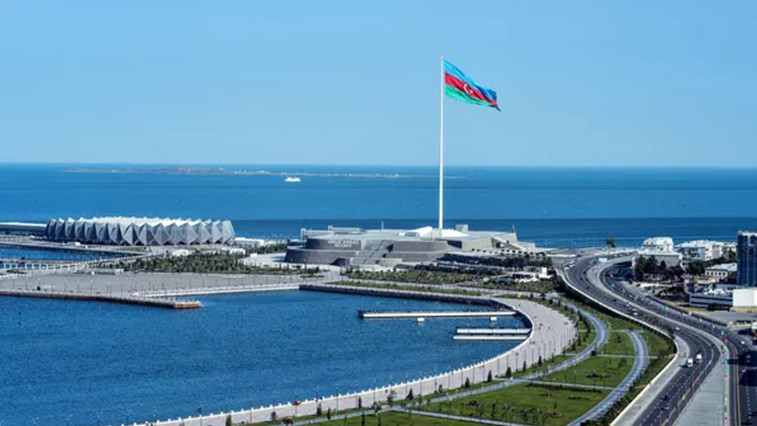
🌾Driven by suspended Persian Gulf shipping lines and pre-season fertilizer stocking needs of regional growers, an increasing number of local fertilizer enterprises in Central Asia and South Caucasus revise their compound fertilizer recipes to raise magnesium sulfate proportion. Meanwhile, agricultural distributors and agronomic service agencies vigorously popularize scientific magnesium-supplement fertilization solutions among local farmers, continuously lifting the throughput of magnesium sulfate transshipped via Azerbaijan. Market analysts predict the annual transit volume of magnesium sulfate passing through Azerbaijan will achieve double-digit year-on-year growth over the coming year.
In conclusion, geopolitical unrest in Iran has drastically altered the original cross-border magnesium sulfate global logistics framework, with most cargo originally transiting through Iran shifting its transfer links to Azerbaijan. Spurred by steady regional agricultural demand for magnesium replenishment and prominent cost competitiveness of Chinese-origin magnesium sulfate, Azerbaijan’s status as an important international magnesium sulfate transit hub will keep strengthening, further consolidating China’s dominant export position in the magnesium fertilizer trade targeting Central Asia and South Caucasus.
MgSO4 Group Limited has a deep understanding of the diverse needs of its customers. Our magnesium sulfate fertilizer products include high-quality epsom salt magnesium sulfate heptahydrate. Our products are manufactured under a rigorous quality control system, ensuring that each batch meets high standards of purity, solubility, and safety, helping customers maximize their production potential and economic benefits.